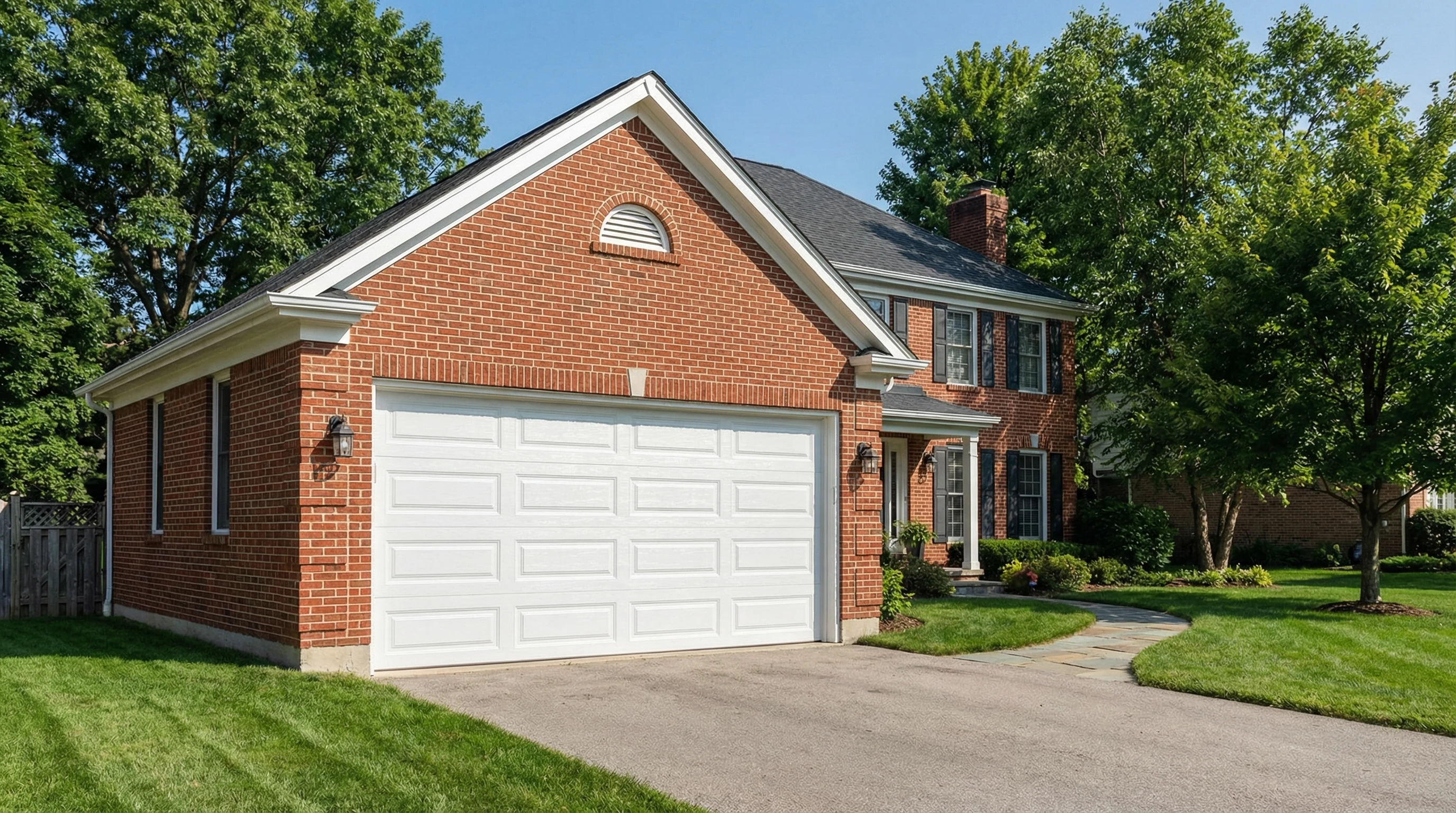
Fiberglass garage doors offer realistic wood-look aesthetics, do not rust or rot, and are lighter than steel. The main drawbacks for Canadian homes: brittleness in extreme cold (-20 C), UV fading over time, and higher cost than steel. Recommended for mild climates; use insulated steel for harsh Ontario winters.
Fiberglass composite garage doors occupy a middle ground between affordable steel and premium wood. They promise the beauty of wood without the maintenance - but in Canada's climate, the reality is more nuanced.
What Is a Fiberglass Garage Door?
Fiberglass garage doors consist of a steel or aluminum frame with fiberglass composite panels. The outer surface is molded with a wood-grain texture and factory-finished with a gel coat or paint. High-end models use actual wood embedded in the composite for enhanced texture and warmth.
Pros of Fiberglass Garage Doors
Realistic Wood Appearance
Modern fiberglass manufacturing creates remarkably realistic wood-grain textures. Carriage-house style fiberglass doors can be nearly indistinguishable from real wood at normal viewing distances. This aesthetic is especially popular on craftsman, farmhouse, and heritage-style homes where a wood look is desired without the upkeep.
Rust and Rot Resistance
Unlike steel, fiberglass does not rust - making it popular in coastal areas with salt air. Unlike real wood, it does not rot, warp, or swell with moisture. In Toronto's humid summers and wet spring/fall seasons, this is a genuine advantage for homeowners who want low exterior maintenance.
Lighter Weight
Fiberglass is 30-40% lighter than comparable steel doors. This reduces torsion spring tension requirements, extends opener motor life, and makes emergency manual operation easier. For large double garage doors (16x7 feet), weight reduction is meaningful for hardware longevity.
Cons of Fiberglass Garage Doors
Cold Weather Brittleness
This is the critical issue for Ontario homeowners. Fiberglass becomes noticeably brittle below -10 C and can crack under impact at -20 C or lower. A child's errant hockey puck, wind-blown debris, or a car backing in slightly too far can crack a cold fiberglass panel. Steel simply dents; fiberglass can shatter.
| Material | Impact at -20 C | Repair Options | Rust Risk |
|---|---|---|---|
| Steel (26 ga) | Dents | Straighten or replace panel | Yes (with paint) |
| Steel (24 ga) | Slight dent | Straighten or replace panel | Yes (with paint) |
| Fiberglass | May crack/shatter | Panel replacement only | No |
| Aluminum | Dents easily | Panel replacement | No |
UV Fading Over Time
Fiberglass gel coats fade faster than powder-coated steel finishes. South and west-facing doors in the GTA can show noticeable fading within 8-12 years. Repainting is possible but requires surface preparation and a compatible paint system.
Higher Cost vs Steel
Wood-look fiberglass commands a 40-80% premium over equivalent steel designs. For budget-conscious buyers, steel with a wood-grain embossed finish achieves a similar look for significantly less money.
Royal Garage Doors Technician Advice
For Toronto and GTA homeowners, we most often recommend steel with an embossed wood-grain finish as the best value for achieving a wood look with Canadian winter durability. If the authentic texture of fiberglass is a priority and the garage is heated, fiberglass is a valid choice at mid-budget.
Cost Comparison: Fiberglass vs Alternatives
| Door Material | Cost Installed | Lifespan (Ontario) | Maintenance |
|---|---|---|---|
| Steel (standard) | $900 - $1,800 | 20-30 years | Low |
| Steel (insulated) | $1,200 - $2,500 | 20-30 years | Low |
| Fiberglass | $1,800 - $4,500 | 15-20 years (ON) | Medium |
| Aluminum/Glass | $2,500 - $6,000 | 25+ years | Medium-High |
| Real Wood | $3,500 - $8,000+ | 15-25 years | High |
Compare Door Options with a Free Consultation
Royal Garage Doors will show you side-by-side samples of steel, fiberglass, and composite doors so you can see and feel the difference before deciding. Call us for a free in-home or showroom consultation.
Call 437-265-9995Frequently Asked Questions
Fiberglass performs adequately in Toronto winters but becomes brittle below -20 C and can crack from impact. Most Ontario homeowners in exposed locations choose steel for this reason. Fiberglass is better suited to mild climates like Vancouver or Victoria where freeze-thaw cycles are less extreme.
Quality fiberglass garage doors last 20-30 years in mild climates. In harsh Canadian winters with temperature swings from -20 C to +35 C, expect 15-20 years before UV fading and brittleness become issues. Steel doors typically outlast fiberglass by 5-10 years in Ontario.
Yes, fiberglass can be painted with exterior latex paint. The factory gel coat finish is designed to last 15+ years without painting. If it fades or chalks, light sanding and repainting restores appearance. Use 100% acrylic exterior paint for best adhesion to fiberglass.
Fiberglass garage doors cost $1,800-$4,500 installed in Ontario, depending on design complexity, wood-grain detail level, and size. This is more expensive than comparable steel ($900-$2,500) but less than real wood ($3,500-$8,000+).
Fiberglass does not dent like steel - it flexes on light impact and returns to shape. However, heavy impacts can crack or chip fiberglass rather than denting it. Cracks are harder to repair than steel dents. A backed-into fiberglass door typically needs panel replacement.
Fiberglass doors are 30-40% lighter than comparable steel doors. This reduces strain on torsion springs and openers and makes emergency manual operation easier.