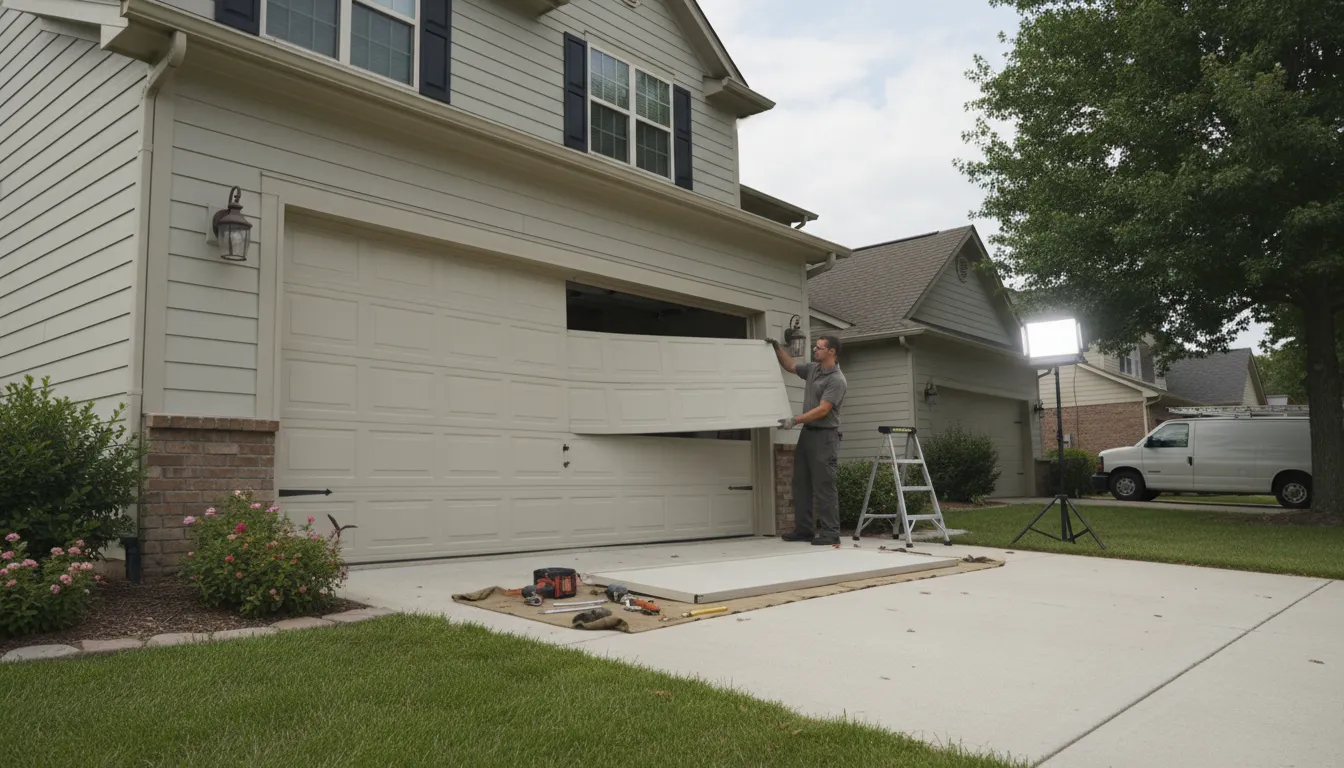
Panel Replacement Cost by Material
Panel prices vary significantly based on material type, door style, and manufacturer. Here's what Toronto homeowners can expect to pay in 2025:
| Panel Material | Price Per Panel (+ tax) | Installation |
|---|---|---|
| Steel (Non-Insulated) | $200 - $350 | Included |
| Steel (Insulated) | $300 - $500 | Included |
| Aluminum | $250 - $450 | Included |
| Wood | $400 - $800+ | Included |
| Fiberglass | $300 - $550 | Included |
| Carriage House Style | $400 - $700 | Included |
Request a quote for both panel replacement AND a new door. If panel cost exceeds 50% of a new door price, replacement is usually the better value.
Factors That Affect Panel Cost
1. Door Brand and Model
Premium brands like Clopay, Wayne Dalton, and Amarr have higher panel costs but better availability. Budget doors may have cheaper panels but can be harder to source replacements for.
2. Panel Position
Bottom panels typically cost more because they're reinforced and include weather stripping. Top panels with windows are also more expensive than plain middle sections.
3. Door Age
Panels for doors over 15 years old may be discontinued. Options include:
- Sourcing from salvage (limited matching)
- Custom fabrication (expensive)
- Full door replacement
4. Insulation Level
Matching insulation is important for appearance and efficiency. See our insulated vs non-insulated door comparison for details.
| Insulation Type | R-Value | Price Premium |
|---|---|---|
| Non-Insulated | R-0 | Base price |
| Polystyrene | R-6 to R-9 | +$50-75 |
| Polyurethane | R-12 to R-18 | +$100-150 |
When to Replace Panel vs Buy New Door
✅ Replace Panel When:
- Only 1-2 panels damaged
- Door is less than 10 years old
- Panels are still available
- Rest of door in good condition
- No rust or structural issues
🏠 Buy New Door When:
- 3+ panels need replacement
- Door is over 15 years old
- Panels discontinued
- Springs/hardware worn out
- Want upgraded insulation
If panel replacement costs exceed 50% of a new door, we recommend replacing the entire door for better long-term value and warranty coverage.
Matching Panels to Your Door
Getting an exact panel match depends on several factors:
What We Need to Match Your Panel
- Manufacturer name (usually on a sticker inside the door)
- Model number (on the same sticker)
- Panel style (raised, recessed, flush, etc.)
- Color (white, almond, brown, sandstone, etc.)
- Window configuration (if applicable)
Panel Matching Success Rate
| Door Age | Matching Success | Typical Wait Time |
|---|---|---|
| 0-5 years | 95%+ exact match | 3-7 days |
| 5-10 years | 80-90% match | 1-2 weeks |
| 10-15 years | 50-70% match | 2-3 weeks |
| 15+ years | Variable | May not be available |
Panel Installation Process
Understanding how panel replacement works helps you know what to expect when our technician arrives. The process typically takes 1-2 hours once the replacement panel is available.
Step 1: Door Assessment and Safety
The technician first inspects the entire door system, not just the damaged panel. This ensures there are no hidden problems with springs, cables, or rollers that could affect the new panel or cause future issues. The door is then secured to prevent accidental movement during the work.
Step 2: Spring Tension Release
For most panel replacements, the torsion spring tension must be safely released. This is one of the most dangerous aspects of the job—springs under tension can cause serious injury. The technician uses specialized tools to gradually release tension while keeping the door stable.
Step 3: Hardware Removal
The hinges connecting the damaged panel to adjacent sections are removed. If the damaged panel has windows, these require careful handling. Weather stripping on bottom panels must be transferred to the new section. Rollers and brackets are inspected and replaced if worn.
Step 4: Panel Installation
The new panel is carefully aligned and connected to the remaining sections. Proper alignment is critical—even slight misalignment causes binding, uneven wear, and premature failure. The technician checks that all sections form a smooth, continuous surface when closed.
Step 5: Spring Retensioning and Testing
After installation, spring tension is carefully restored to match door weight. The door is tested multiple times for smooth operation, proper balance, and seal integrity. Safety sensors are checked to ensure the opener reverses properly if the beam is broken.
Common Panel Damage Types
Vehicle Impact
The most common cause of panel damage. Backing into the door or hitting it with a ladder/tool typically damages the bottom 1-2 panels. Cost: $200-$500 depending on panel type.
Weather Damage
Hail, wind-blown debris, or extreme temperature changes can crack or dent panels. Usually covered by homeowner's insurance if deductible is met.
Rust and Corrosion
Common on older steel doors, especially at the bottom where water collects. May indicate need for full door replacement if rust has spread.
Failed Seals/Delamination
Insulated panels can delaminate when seals fail, causing bulging or separation. Panel replacement is the only fix.
DIY vs Professional Panel Replacement
While you can purchase replacement panels directly from some manufacturers, we strongly recommend professional installation. Here's why:
Why DIY Panel Replacement Is Risky
- Spring danger: Torsion springs store enough energy to cause severe injury or death. They must be released before panel work and precisely retensioned afterward. This requires specialized tools and training.
- Door weight: A standard residential door weighs 150-350 pounds. Without proper support, the door can fall during panel removal, damaging the remaining panels or causing injury.
- Alignment complexity: Poor alignment causes binding, premature wear, and can prevent the door from sealing properly. Professional technicians have the experience to achieve perfect alignment.
- Warranty concerns: Many panel manufacturers void warranties if the panel isn't installed by a certified technician.
DIY Cost Savings Reality
Even if you could safely install a panel yourself, the savings are minimal. Panel cost is typically 60-70% of the total replacement price, with labor being only 30-40%. Saving $80-$120 isn't worth risking a $500+ repair bill from improper installation or, worse, a trip to the emergency room.
Every year, DIY garage door repairs send thousands of Canadians to emergency rooms. Broken bones, lacerations, and even fatalities occur when springs release unexpectedly or doors fall. Leave panel replacement to professionals.
Insurance Coverage for Panel Damage
Whether your homeowner's insurance covers panel damage depends on the cause and your policy details.
Typically Covered
- Weather events: Hail damage, windstorm debris, ice storms, and falling tree branches are usually covered under your dwelling coverage.
- Vandalism: Intentional damage by others is typically covered after a police report is filed.
- Vehicle impact from others: If a neighbor or delivery driver backs into your door, their auto insurance should cover repairs.
Typically NOT Covered
- Your own vehicle: If you back into your own door, it's not covered under home or auto insurance—you pay out of pocket.
- Wear and tear: Rust, fading, or delamination from age isn't covered.
- Lack of maintenance: Damage caused by neglected repairs (like failing to fix a worn roller that then damages panels) isn't covered.
Filing an Insurance Claim
If your damage is covered, follow these steps for the smoothest claims process:
- Take clear photos of the damage before any temporary repairs
- Get a written repair estimate from a licensed contractor
- File a claim with your insurance company promptly
- Compare the claim payout to your deductible—if the repair is only slightly more than your deductible, consider paying out of pocket to avoid premium increases
We provide detailed written estimates that insurance adjusters can use directly. Our estimates include itemized costs, photos, and manufacturer information to expedite your claim approval.
Need a Panel Replacement Quote?
We'll assess your damage and provide honest advice on repair vs replacement.
Call 437-265-9995Frequently Asked Questions
In Toronto, garage door panel replacement costs $200-$500 per panel for steel doors. Aluminum panels cost $250-$450, while wood panels range from $400-$800+. Prices include the panel and installation labor.
Panel replacement is typically cheaper if only 1-2 panels are damaged and the door is less than 10 years old. If 3+ panels need replacement or the door is over 15 years old, a full door replacement ($1,500-$3,500) may be more cost-effective.
Most panels can be replaced, but availability depends on the door manufacturer, model, and age. Doors over 15-20 years old may have discontinued panels. We can often source matching panels or recommend alternatives.
Panel replacement typically takes 1-2 hours once the panel is available. However, ordering a matching panel can take 1-3 weeks depending on manufacturer availability.
If your door is from a current model line, we can get an exact match. For older doors, we source panels as close as possible. Minor color variations may occur due to weathering on existing panels.
It depends on the cause. Weather damage (hail, windstorms), vandalism, and vehicle impacts by others are typically covered. Damage from your own vehicle, wear and tear, and lack of maintenance are not covered. Check your deductible before filing a claim.
We strongly advise against DIY panel replacement. It requires releasing dangerous torsion spring tension, supporting a 150-350 pound door, and achieving precise alignment. The safety risks far outweigh the modest labor savings.
Consider a new door if: 3+ panels are damaged, the door is over 15 years old, panels are discontinued, other components (springs, hardware) are worn, or you want improved insulation. We provide honest assessments and will recommend replacement only when it makes financial sense.
Small dents (under 2 inches) are cosmetic and don't require immediate attention. Larger dents that affect panel structure or cause the door to bind should be assessed by a professional. Deep dents near hinges can weaken the panel over time.