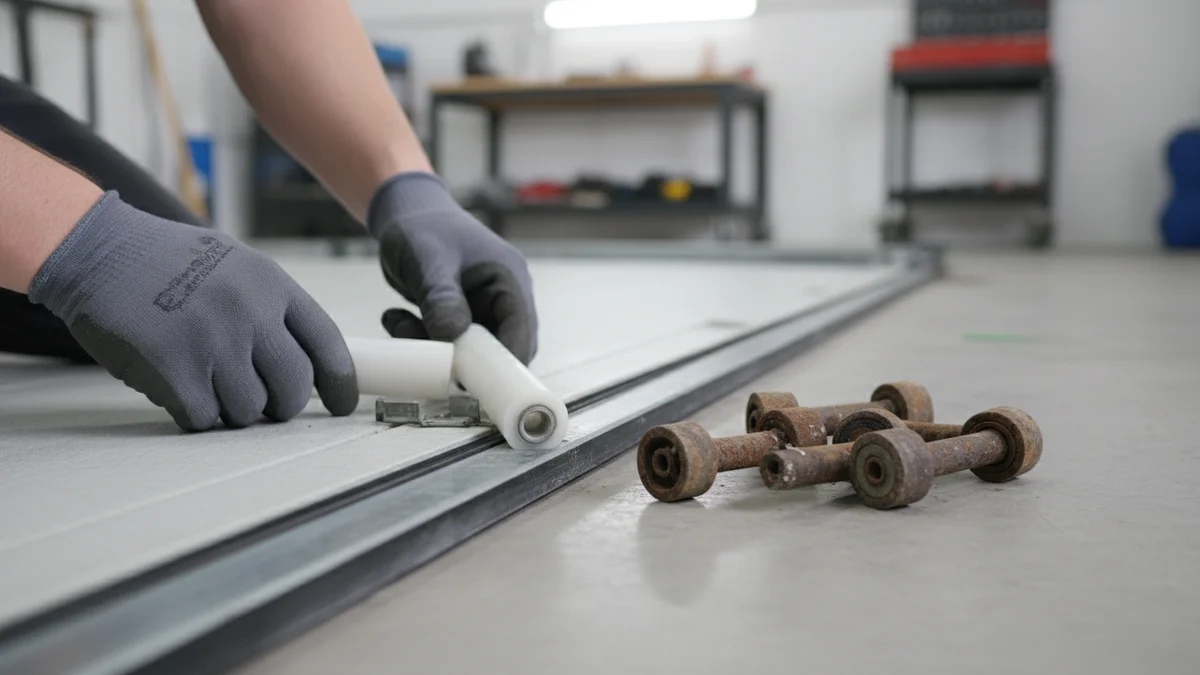
Roller Replacement Cost Breakdown
Here's what Toronto & GTA homeowners can expect to pay for garage door roller replacement in 2025. All prices include parts, labor, and warranty:
| Roller Type | Price Range (+ tax) | Best For |
|---|---|---|
| Steel Rollers (Standard) | $120 - $150 | Budget-friendly, detached garages |
| Nylon Rollers (Quiet) | $150 - $200 | Attached garages, bedrooms above |
| Premium Sealed Nylon | $180 - $220 | Maximum quiet, longest lifespan |
| Heavy-Duty Steel (Commercial) | $160 - $200 | Oversized doors, high-cycle use |
Steel vs Nylon Rollers Comparison
The biggest decision when replacing rollers is choosing between steel and nylon. Here's how they compare:
| Feature | Steel Rollers | Nylon Rollers |
|---|---|---|
| Noise Level | Loud (metal on metal) | Very quiet (50-75% quieter) |
| Lifespan | 5-7 years | 12-20 years |
| Maintenance | Needs regular lubrication | Self-lubricating (sealed) |
| Rust Resistance | Can rust over time | Never rusts |
| Cost | $120-$150 | $150-$200 |
| Best For | Detached garages, budget | Attached garages, quiet operation |
Our Recommendation
For most Toronto homeowners, nylon rollers are the better long-term investment. The extra $30-$50 upfront saves money because:
- They last 2-3 times longer than steel
- No lubrication maintenance needed
- Won't rust in Toronto's humid/salty winters
- Dramatically quieter (important with attached garages)
Understanding Roller Anatomy
Before replacing rollers, it helps to understand how they're built. Every garage door roller has three main components that affect performance and longevity.
The Wheel
The wheel is the visible part that rides inside the track. Standard residential rollers use 2-inch diameter wheels, though heavy-duty commercial doors use 3-inch wheels. The wheel material (steel or nylon) determines noise level and lifespan. Nylon wheels are quieter because they don't create metal-on-metal contact with steel tracks.
The Stem
The stem is the metal shaft that connects the roller to the door's hinge. Stems come in different lengths depending on track size. Standard residential stems are 4 inches long and fit most single-layer steel doors. Insulated doors with thicker panels may require 7-inch stems. Using the wrong stem length causes rollers to bind or pop out of tracks.
Bearings
Inside every roller are bearings that allow the wheel to spin freely. There are three bearing types:
- No bearings (sleeve): Cheapest option, most friction, shortest lifespan. Common on builder-grade doors.
- Ball bearings (unsealed): Smoother operation, requires periodic lubrication. Mid-range option.
- Sealed ball bearings: Best option. Pre-lubricated and protected from dust/debris. Last longest.
Roller Sizing Guide
Choosing the right roller size is critical for proper door operation. Here's how to determine what your door needs:
Wheel Diameter
- 2-inch wheels: Standard for all residential garage doors. Fits standard 2-inch tracks.
- 3-inch wheels: For commercial doors or high-cycle residential installations. Provides smoother operation and longer life.
Stem Length
| Door Type | Stem Length | Notes |
|---|---|---|
| Single-layer steel door | 4 inches | Most common residential doors |
| Double-layer insulated | 4 inches | Steel + polystyrene insulation |
| Triple-layer insulated | 7 inches | Thick insulated panels |
| Wood carriage doors | 7 inches | Thicker wood panels |
How to measure: Remove one roller and measure from the center of the wheel to the end of the stem. If you're unsure, our technicians will identify the correct size during the service call.
Signs You Need New Rollers
Watch for these warning signs that indicate roller problems:
- Grinding or squeaking noise: Most common sign - metal-on-metal friction
- Door shakes or vibrates: Worn rollers cause uneven movement
- Door moves jerkily: Stops and starts instead of smooth gliding - see our jerky door troubleshooting guide
- Visible wear or cracks: Nylon cracking or steel showing flat spots
- Roller falls out of track: Worn stem can't hold roller in place
- Door won't stay on track: Multiple rollers failing
- Increased effort to open manually: Friction from bad rollers
Don't Ignore Roller Problems
Worn rollers put extra stress on your opener motor, springs, and tracks. A $150 roller replacement now prevents $500+ in repairs later. Rollers that fall out of tracks can also cause the door to fall suddenly.
How Long Do Rollers Last?
| Roller Type | Average Lifespan | Cycles (Opens/Closes) |
|---|---|---|
| Standard Steel | 5-7 years | ~10,000 cycles |
| Nylon (Unsealed) | 10-12 years | ~20,000 cycles |
| Nylon (Sealed/Ball Bearing) | 15-20 years | ~50,000+ cycles |
| Heavy-Duty Commercial | 10-15 years | ~100,000 cycles |
Note: Toronto's climate affects roller lifespan. Salt, humidity, and freeze-thaw cycles accelerate wear on steel rollers. Nylon performs better in our winters.
Toronto Climate Considerations
Toronto's weather presents unique challenges for garage door rollers. Understanding these factors helps you choose the right rollers and maintain them properly.
Winter Challenges
Toronto winters are particularly hard on steel rollers:
- Road salt corrosion: Salt tracked in from driveways accelerates rust on steel rollers. Nylon rollers are completely rust-proof.
- Freeze-thaw cycles: Water expands when freezing, which can crack worn roller wheels. Sealed nylon rollers keep moisture out.
- Temperature extremes: Lubricant in steel roller bearings thickens in cold, causing sluggish operation. Sealed nylon bearings maintain smooth operation to -40°C.
- Snow and slush: Moisture splashing onto rollers during winter accelerates wear on unsealed bearings.
Summer Humidity
Toronto's humid summers also affect rollers. High humidity can cause condensation inside unsealed bearings, leading to rust from the inside out. This is why sealed ball bearing rollers are especially important in our climate—they protect against both winter salt and summer humidity.
Garage Temperature Swings
Unheated garages in Toronto experience temperature swings of 60°C or more throughout the year (from -25°C in winter to 35°C+ in summer). These extreme swings cause metal to expand and contract, which accelerates wear on steel roller bearings. Nylon, being more temperature-stable, handles these swings better.
Toronto-Specific Recommendation
For Toronto and GTA homes, we strongly recommend sealed nylon rollers with ball bearings. The sealed design protects against salt, humidity, and temperature extremes—the three biggest roller killers in our climate. Expect 15-20 years of trouble-free operation versus 4-6 years for steel rollers.
DIY vs Professional Replacement
Bottom Rollers (DIY Possible)
The bottom 2-4 rollers on each side can be replaced by handy homeowners:
- No spring tension involved
- Simply open door, bend track slightly, swap roller
- Requires basic tools and 30-60 minutes
Top Rollers (Professional Only)
Top Rollers Are Dangerous
The top rollers are connected to cables under extreme spring tension. Attempting to replace these yourself risks serious injury. The door could fall (300-500 lbs) or cables/springs could snap. Always hire a professional for full roller replacement.
Why Professional Replacement is Worth It
- Safe handling of spring tension
- All rollers replaced evenly
- Track alignment checked
- Door balance tested
- Full inspection included
- 1-year warranty on work
What Happens During Professional Replacement
When you call us for roller replacement, here's exactly what happens during the service visit:
Step 1: Initial Inspection (5 minutes)
Our technician evaluates your current rollers, checks track alignment, and inspects the overall door condition. We identify the correct roller size and recommend the best roller type for your situation.
Step 2: Secure the Door (2 minutes)
We safely secure the door in the open position using C-clamps on the tracks. This prevents the door from moving while we work and keeps the springs from releasing tension.
Step 3: Remove Old Rollers (10-15 minutes)
Each roller is carefully removed by loosening the hinge bolt, sliding out the old roller, and removing debris from the hinge bracket. We inspect each hinge for wear or damage as we go.
Step 4: Install New Rollers (10-15 minutes)
New rollers are installed one at a time, ensuring proper seating in the hinge bracket. We tighten all bolts to manufacturer specifications and verify each roller spins freely.
Step 5: Track Cleaning and Lubrication (5 minutes)
We clean the inside of the tracks to remove old lubricant buildup and debris. For nylon rollers, tracks are wiped clean (no lubricant needed). For steel rollers, we apply fresh white lithium grease.
Step 6: Testing and Adjustment (5 minutes)
We test the door through several full cycles, checking for smooth operation, proper balance, and quiet movement. Any necessary adjustments to track alignment or spring tension are made at this time.
Step 7: Final Inspection
Before leaving, we perform a complete safety check: testing the auto-reverse function, verifying sensor alignment, and ensuring all hardware is tight. You'll see the improvement immediately—a smoother, quieter door.
Need Roller Replacement?
Same-day service available. No hidden fees. 1-year warranty.
Call 437-265-9995Frequently Asked Questions
In Toronto, garage door roller replacement costs $120-$200 + tax. Steel rollers cost $120-$150, while premium nylon rollers cost $150-$200. This includes all rollers (10-12 per door), labor, and lubrication.
Yes, nylon rollers are worth it for most homeowners. They're 50-75% quieter than steel, last 2-3 times longer (12-20 years vs 5-7 years), require no lubrication, and won't rust. The extra $30-$50 saves money long-term.
Steel rollers should be replaced every 5-7 years with regular use. Nylon rollers last 12-20 years. Signs you need new rollers: grinding noises, door shaking, visible wear or cracks, or rollers falling out of tracks.
You can replace bottom rollers yourself, but top rollers near the springs are dangerous due to spring tension. We recommend professional replacement for all rollers to ensure proper installation and avoid injury. Cost is only $120-$200 total.
The most common cause of a loud garage door is worn steel rollers. Metal-on-metal contact creates grinding and squeaking. Upgrading to nylon rollers reduces noise by 50-75%. Other causes include lack of lubrication, worn hinges, or loose hardware.
Most residential garage doors use 2-inch diameter rollers with 4-inch stems. Thick insulated doors and wood carriage doors need 7-inch stems. Commercial doors use 3-inch wheels. Measure your current roller or have a technician identify the correct size during service.
No, sealed nylon rollers are self-lubricating and never need lubrication. In fact, adding lubricant can attract dust and debris that wears them down faster. This maintenance-free operation is one reason nylon rollers are worth the extra cost.
Toronto's climate is hard on garage door rollers. Road salt causes corrosion on steel rollers. Freeze-thaw cycles cause cracking. Temperature swings from -25°C to 35°C cause metal to expand and contract. Sealed nylon rollers handle these conditions much better than steel.